Bringing a physical space to life with an AR mural
Vivamus sagittis lacus vel augue laoreet rutrum faucibus dolor auctor. Praesent commodo cursus magna, vel scelerisque nisl consectetur et
To inspire curiosity and connection by weaving together the art and history of Gaston County.
To be a place where people can come together and find unity in their common threads.
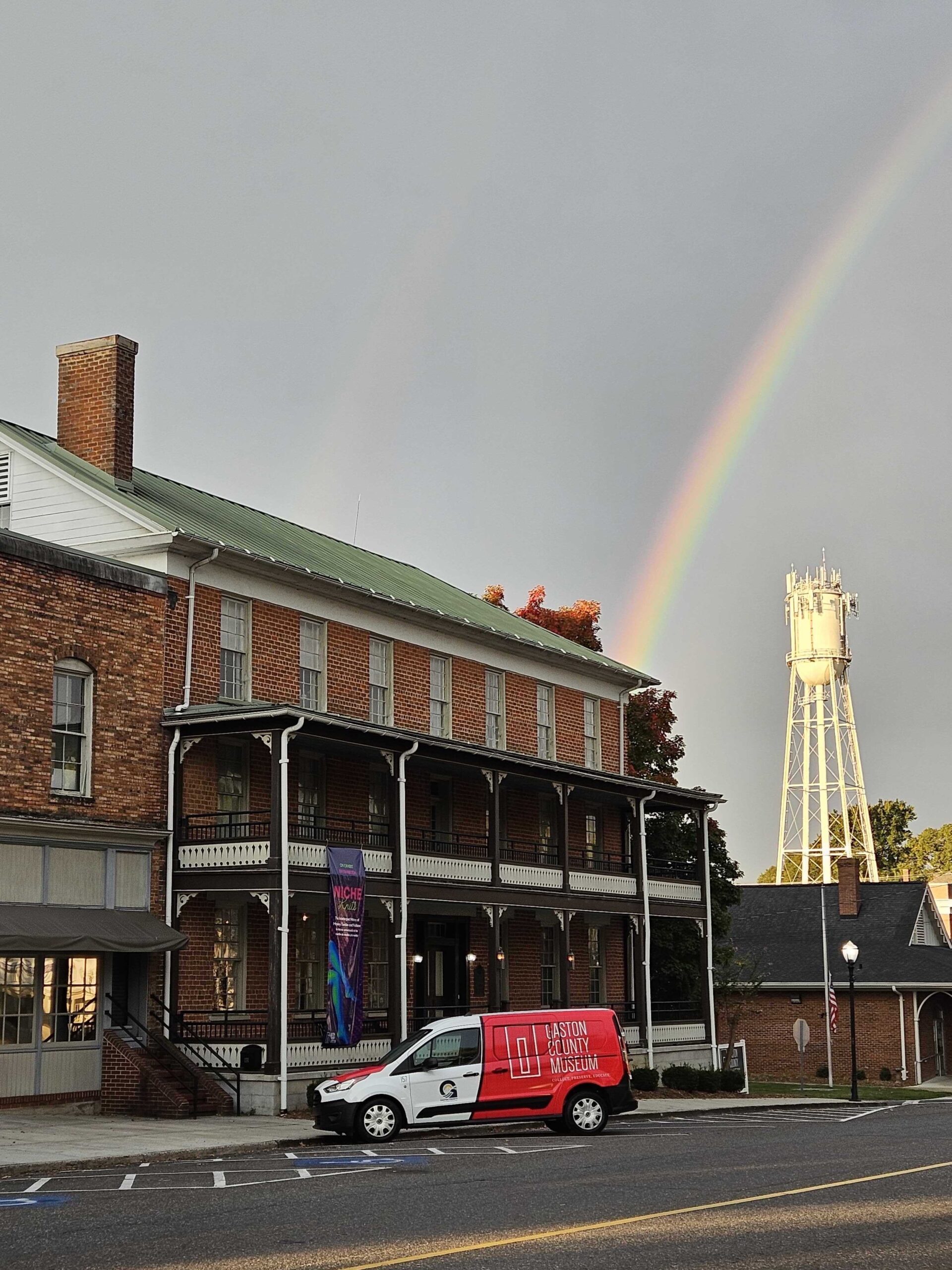
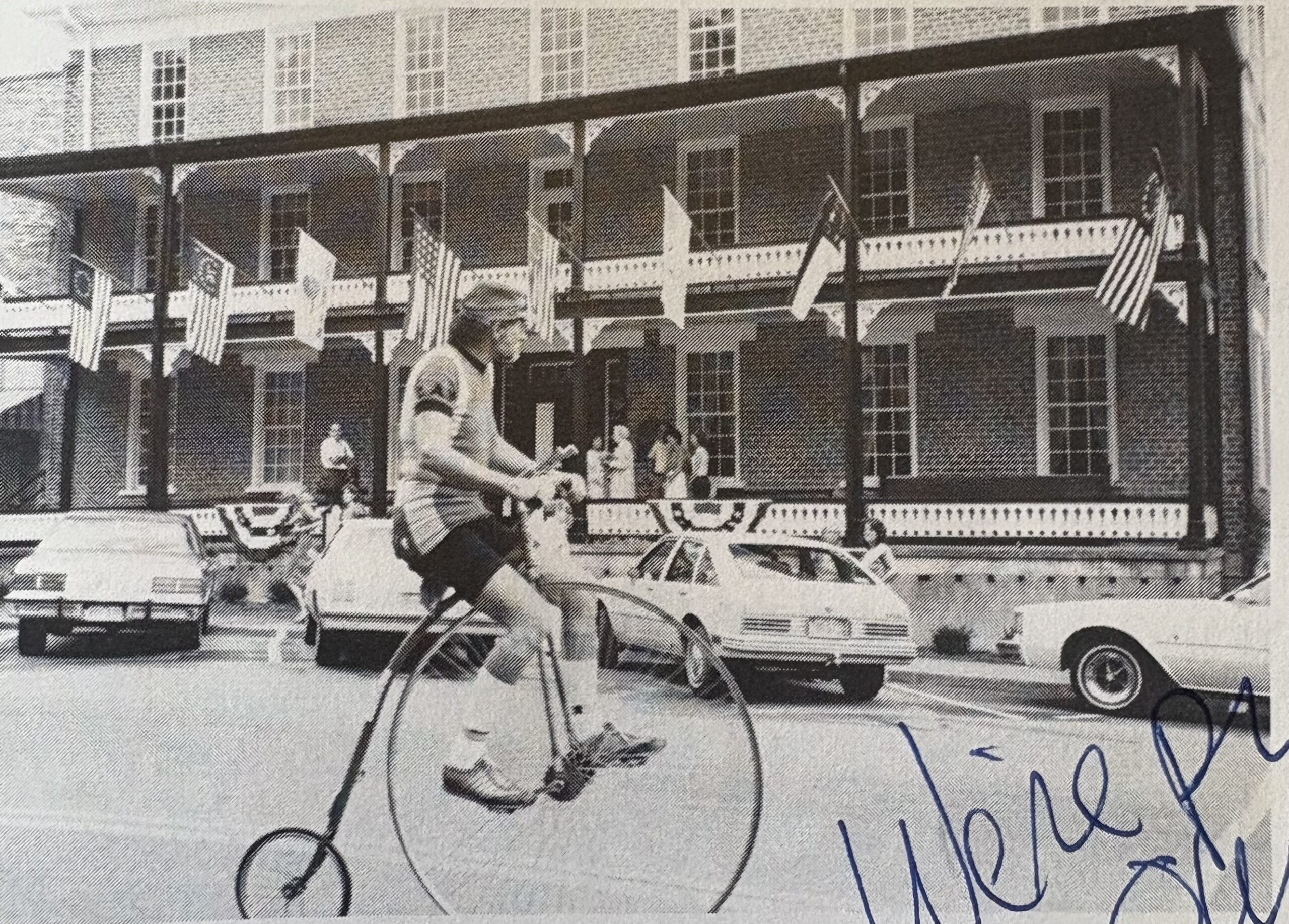
The Gaston County Museum of Art & History is a place where art, history, and community meet. Located on the Historic Dallas Courthouse Square in Dallas, North Carolina, the museum collects, preserves, and shares the stories of Gaston County and the surrounding region through permanent and rotating exhibits, interactive programs, and a growing archive of more than 25,000 artifacts, photographs, and documents.
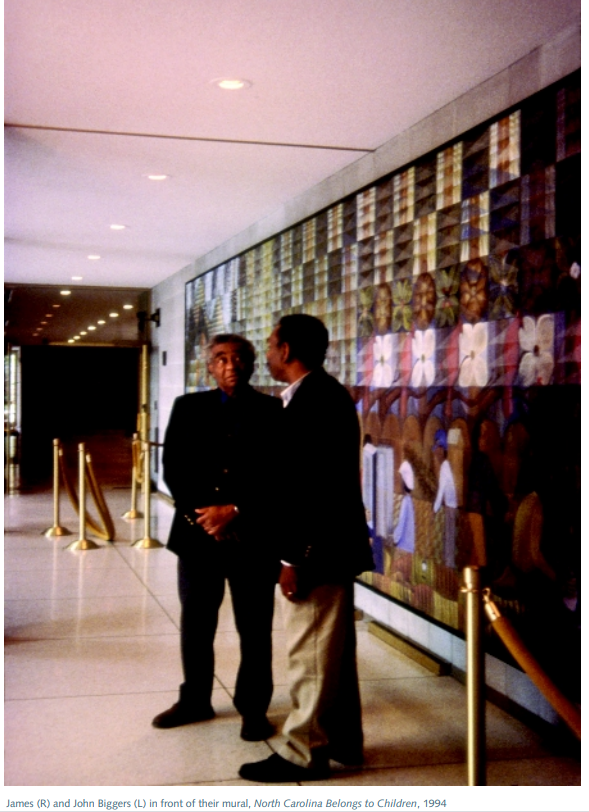
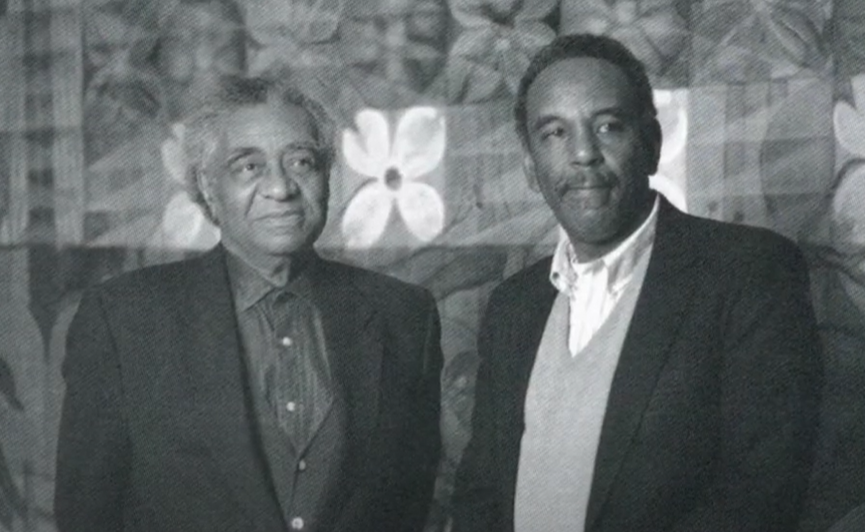
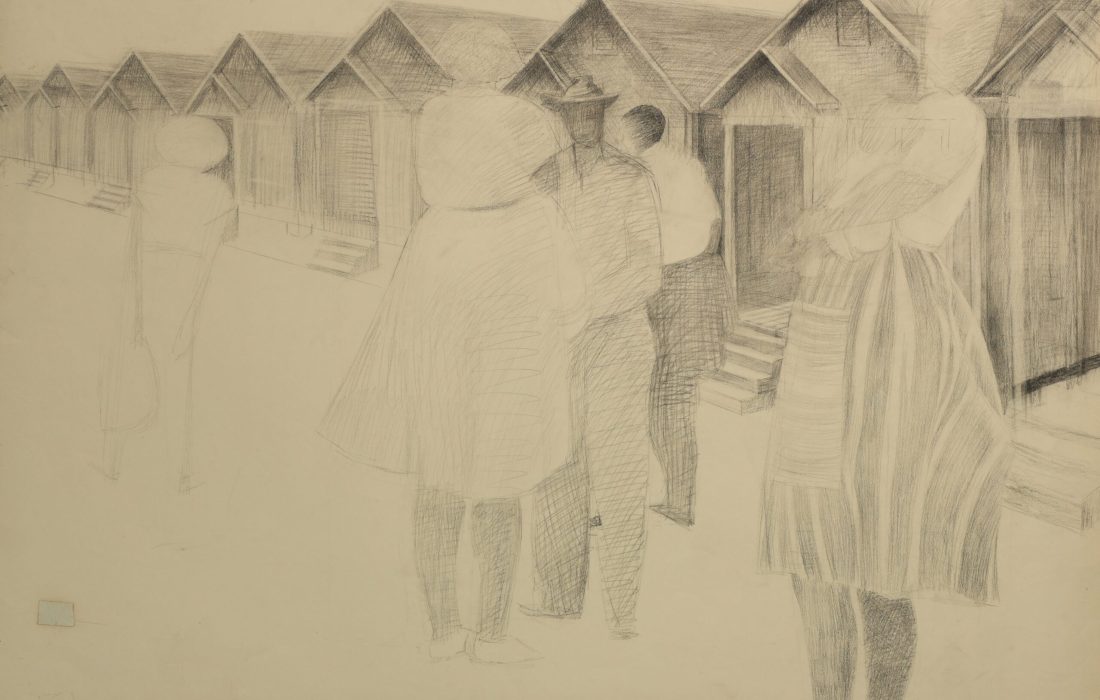
Our permanent collections trace the threads of Gaston County’s textile heritage, celebrate the legacy of Gastonia-born artist John T. Biggers through one of the most significant collections of his work in the country, and preserve the everyday objects and voices that make this community what it is. Our rotating galleries bring new perspectives throughout the year, and our education programs connect learners of every age to the history beneath their feet.
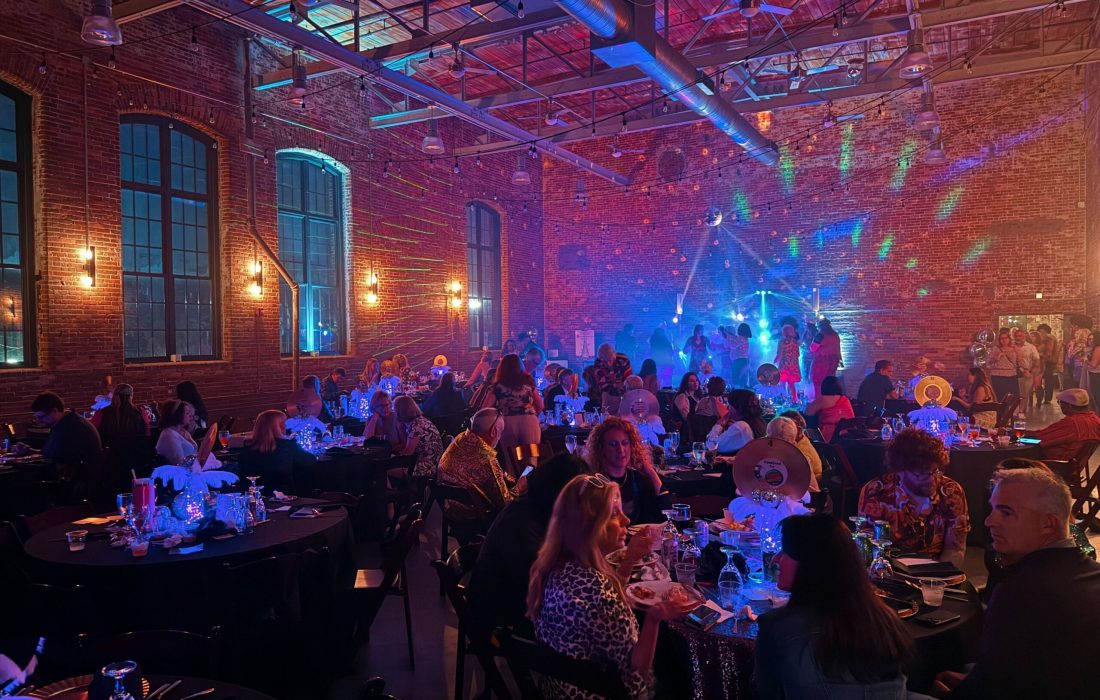
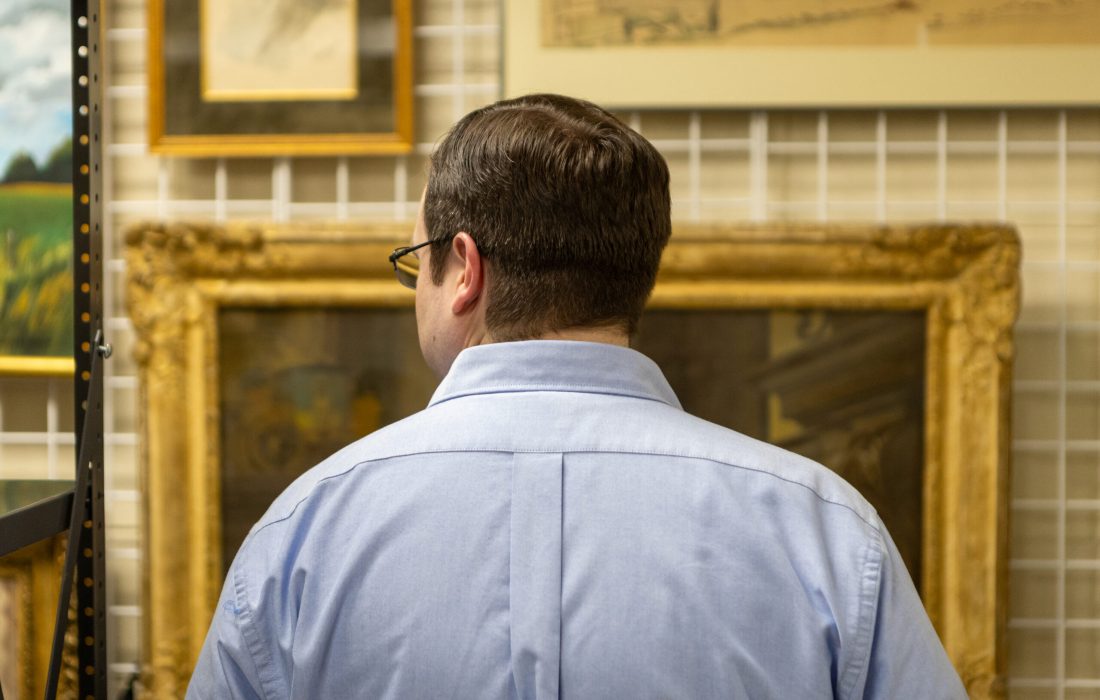
The Gaston County Museum has been a gathering place for this community for decades. What began as a local effort to preserve the county’s history has grown into a fully accredited institution recognized at the national level for its commitment to excellence. Along the way, the museum has expanded its collections, deepened its programming, and opened its doors wider to audiences across the region.
The museum sits within a historic building on the Dallas Courthouse Square, with additional gallery space inside the restored 1903 Depot building and a satellite location at the Kessel History Center inside the Historic Loray Mill in Gastonia. Each space carries its own character, but together they tell a larger story about what it means to preserve and share a community’s identity.
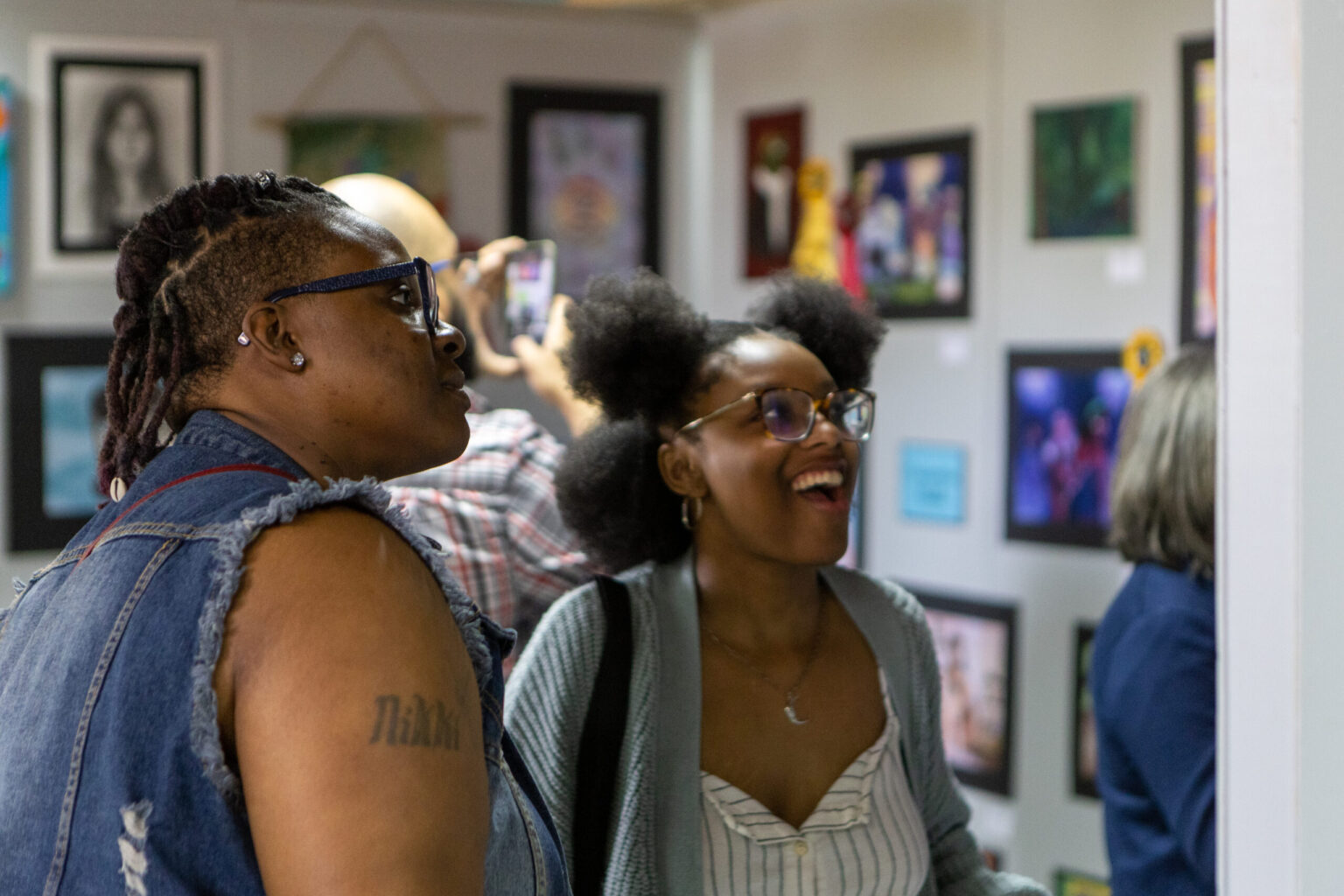
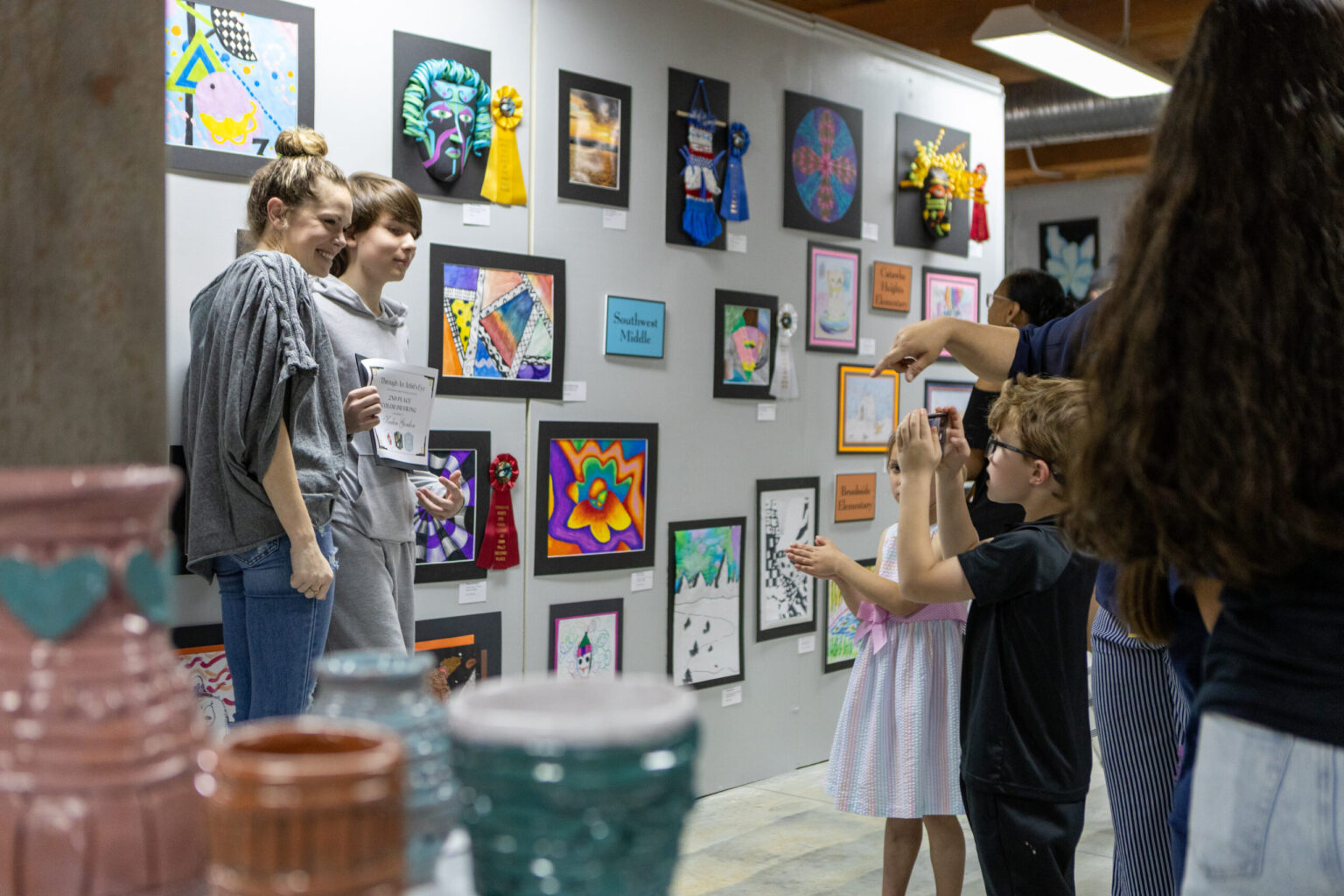
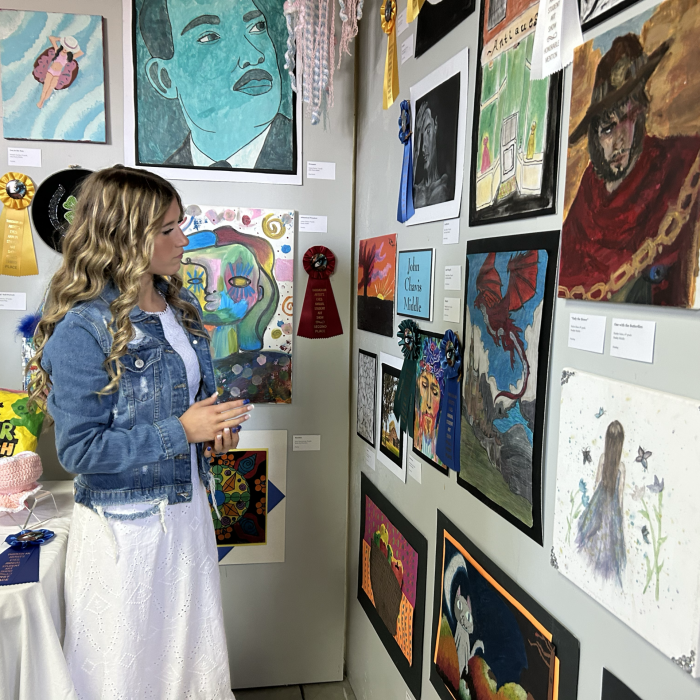
From hosting the annual Through An Artist’s Eyes juried student art show in partnership with Gaston County Schools, to welcoming traveling exhibits like the America 250 NC initiative, the museum has always seen itself as more than a place to look at objects behind glass. It is a place to gather, to learn, and to understand where we come from so we can better see where we are going.
The people behind the Gaston County Museum bring a deep commitment to preserving and sharing the art and history of this region.
From curatorial research and exhibit design to education programming and community outreach, our staff works every day to make sure this museum remains a place of learning, connection, and pride for all of Gaston County.
The Gaston County Museum is proud to work alongside a network of organizations that share our commitment to education, preservation, and community. These partnerships strengthen the museum’s programs, expand our reach, and connect us to the broader cultural landscape of North Carolina.
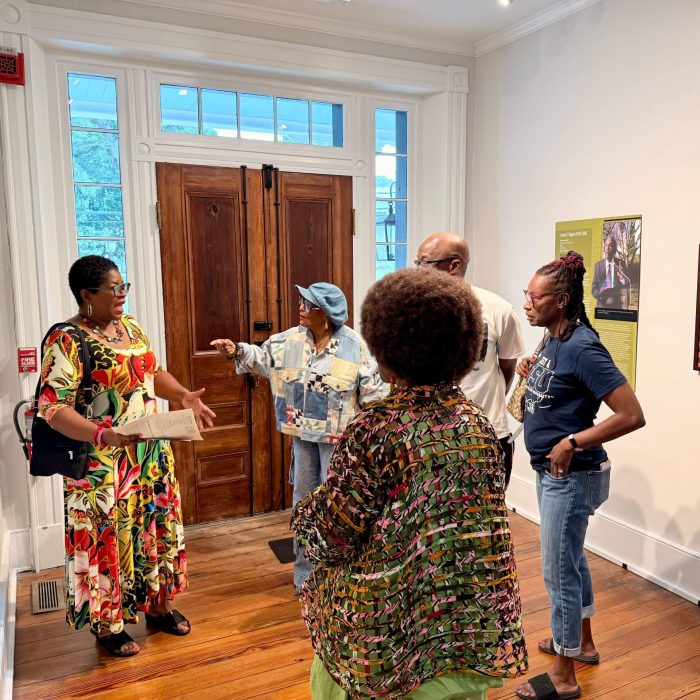
The museum operates as a department of Gaston County Government and works closely with Gaston County Schools, the Gaston County Public Library, and the Town of Dallas. Our programming for public school students is free, and our collaboration with the library system extends access to the county’s history through shared resources and joint initiatives.
We are proud to stand alongside a network of museums and heritage groups across the region, including the Kessel History Center at Loray Mill, Kings Mountain Historical Museum, Kings Mountain National Military Park, Schiele Museum of Natural History, Belmont Historical Society, Cherryville Historical Museum, Cramerton Historical Society Museum, Mount Holly Historical Society & Museum, and the African American Museum of History & Culture at Loray Mill. We also partner with heritage organizations like the Gaston-Lincoln Genealogical Society and multiple chapters of the Daughters of the American Revolution.
The Gaston County Museum is accredited by the American Alliance of Museums (AAM), a distinction held by roughly 3% of the nation’s museums. This recognition reflects the museum’s commitment to meeting the highest national standards for collections stewardship, public service, education, and governance. The museum is also a contributing institution to DigitalNC, a project of the North Carolina Digital Heritage Center, where more than 1,100 items from our collections are accessible online.
From the annual Through An Artist’s Eyes student art show to our participation in the statewide America 250 NC commemoration, the museum regularly collaborates with schools, civic groups, and cultural organizations to bring meaningful programming to the community. We are a member of the Gaston Business Association and a recognized nonprofit partner within Gaston County.
The Gaston County Museum is committed to providing a welcoming, accessible experience for every visitor. We believe that art and history belong to everyone, and we work to make sure our spaces, programs, and resources reflect that belief.
Accessible parking spaces are available directly in front of the museum. The main entrance is wheelchair accessible and located at the front of the building. The museum is wheelchair and stroller accessible throughout, with an elevator available in the modern staircase. Accessible, all-gender bathrooms with baby changers are located on the first floor.
Visitors with sensory sensitivities should be aware that the second floor exhibit “1929 Strike: A Community Divided” includes loud noises, competing sounds, bright visual imagery, and narrow hallways.
The museum is working to expand multilingual access to its resources, with priority support for Spanish and Haitian Creole speakers. We are committed to serving the full diversity of Gaston County’s growing community and ensuring that language is not a barrier to learning about our shared history.
The Gaston County Museum strives to inspire diverse audiences to consider their shared histories through the art and history of Gaston County and its surrounding region. We are always working to improve our accessibility and welcome feedback from visitors on how we can do better.
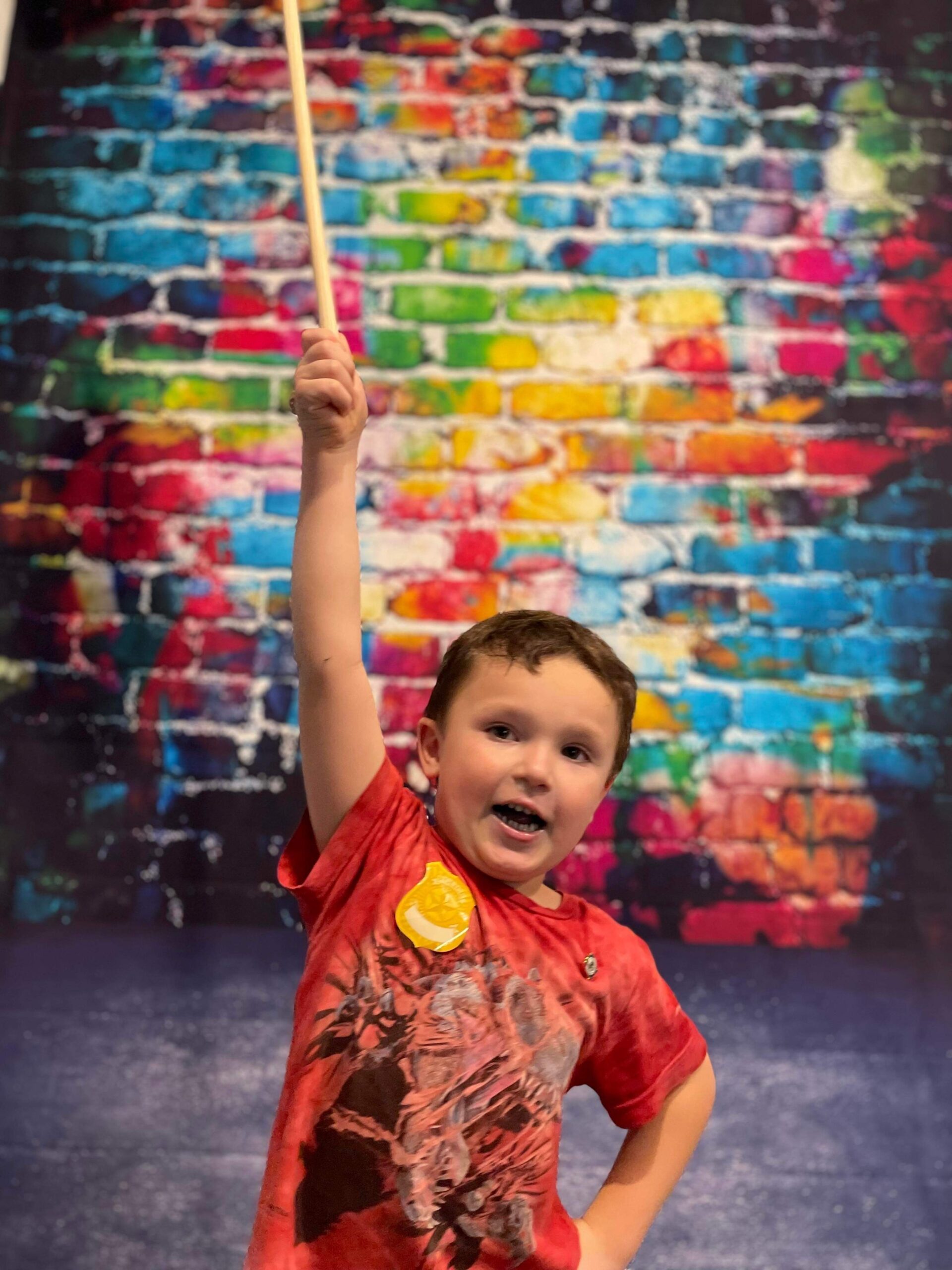
Located in Dallas, North Carolina, the Gaston County Museum sits at the crossroads of art and history. Its galleries house everything from student murals celebrating community and diversity to preserved 19th-century rooms that transport you to another era. It’s a place designed for discovery.
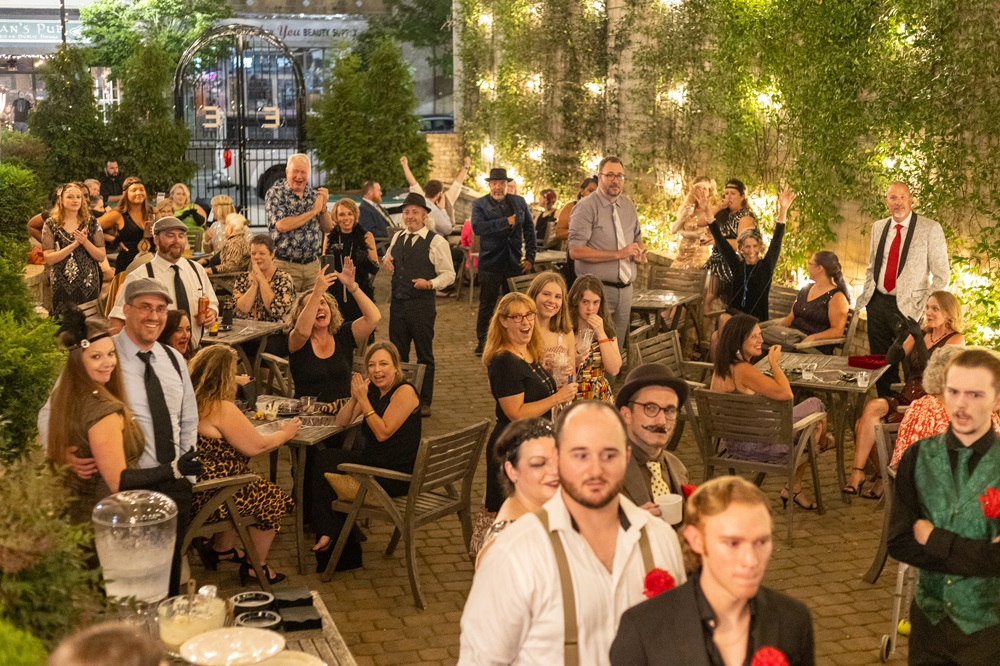
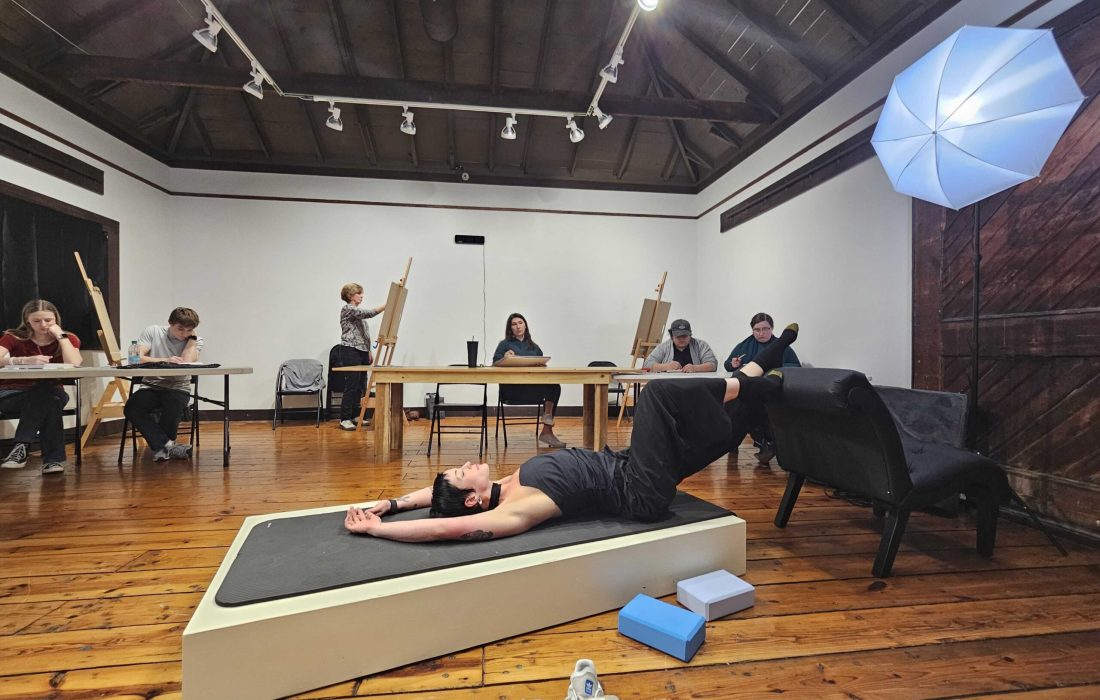
History isn’t something locked behind glass here. The museum’s interactive programs invite visitors of all ages to engage directly — from hands-on experiences in a Victorian-era hotel room to figure drawing sessions and community events that keep the space alive and evolving.
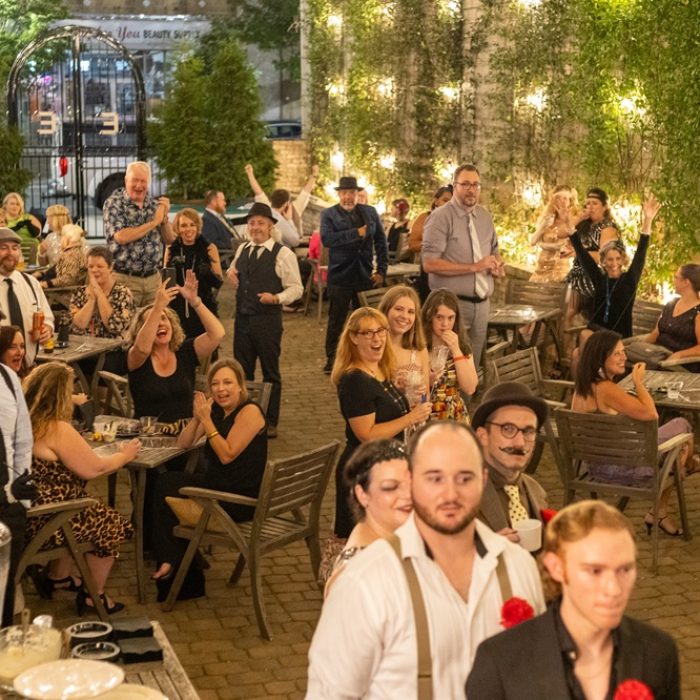
Regional sculpture, rotating exhibits, and community-driven programs year-round. Plan a field trip, book a private tour, or just walk in and explore.
Lorem ipsum dolor sit amet, consectetur adipiscing elit. Ut elit tellus, luctus nec ullamcorper mattis, pulvinar dapibus leo.
Lorem ipsum dolor sit amet, consectetur adipiscing elit. Ut elit tellus, luctus nec ullamcorper mattis, pulvinar dapibus leo.
Lorem ipsum dolor sit amet, consectetur adipiscing elit. Ut elit tellus, luctus nec ullamcorper mattis, pulvinar dapibus leo.
Lorem ipsum dolor sit amet, consectetur adipiscing elit. Ut elit tellus, luctus nec ullamcorper mattis, pulvinar dapibus leo.
Lorem ipsum dolor sit amet, consectetur adipiscing elit. Ut elit tellus, luctus nec ullamcorper mattis, pulvinar dapibus leo.
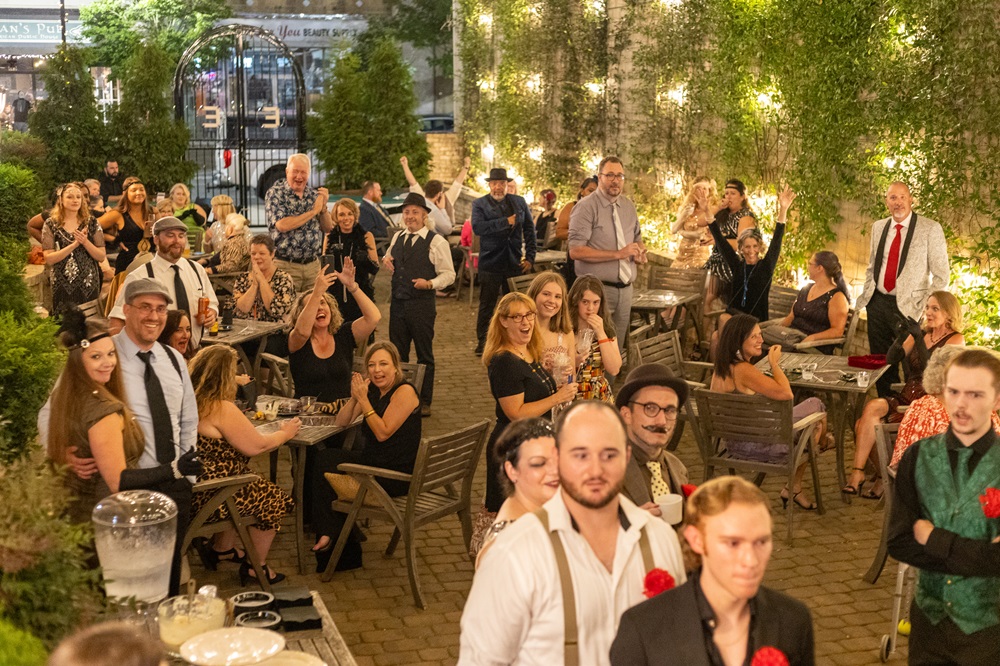
Lorem ipsum dolor sit amet, consectetur adipiscing elit. Ut elit tellus, luctus nec ullamcorper mattis, pulvinar dapibus leo.
Integer posuere erat a ante venenatis dapibus posuere velit aliquet. Morbi leo risus, porta ac consectetur ac, vestibulum at eros. Vivamus sagittis lacus vel augue laoreet rutrum faucibus dolor auctor. Cras justo odio, dapibus ac facilisis in, egestas eget quam. Curabitur blandit tempus porttitor. Cras mattis consectetur purus sit amet fermentum.
Donec id elit non mi porta gravida at eget metus. Donec id elit non mi porta gravida at eget metus. Fusce dapibus, tellus ac cursus commodo, tortor mauris condimentum nibh, ut fermentum massa justo sit amet risus. Curabitur blandit tempus porttitor. Maecenas faucibus mollis interdum. Praesent commodo cursus magna, vel scelerisque nisl
Lorem ipsum dolor sit amet, consectetur adipiscing elit, sed do eiusmod tempor incididunt ut labore et dolore magna aliqua. Ut enim ad minim veniam, quis nostrud exercitation ullamco laboris nisi ut aliquip ex ea commodo consequat. Duis aute irure dolor in reprehenderit in voluptate velit esse cillum dolore eu fugiat nulla pariatur.
Lorem ipsum dolor sit amet, consectetur adipiscing elit. Ut elit tellus, luctus nec ullamcorper mattis, pulvinar dapibus leo.
The museum is open free of charge Monday-Friday 10am-5pm, and Saturdays 11am-4pm. There are three floors of exhibits in the main Hoffman Hotel, and all floors are completely accessible by elevator.
Visitors can also explore the Daniel Stowe Carriage House in the museum’s backyard. The carriage house holds the largest collection of horse-drawn vehicles in North Carolina and has a parking lot for those with mobility limitations who would prefer to drive to the entrance at 106 W. Church Street Dallas, NC 28034.
We recommend 1.5 hours to explore the entire museum. Plan to stay for lunch at one of our great local restaurants in the historic Town of Dallas!
Our entrance door has changed! When arriving at the museum, please use the accessible entrance to the left of the Hoffman Hotel. When the museum is open, there will be welcome signs to guide you.
Masks are not required to enter the museum, but are available upon request.
You do not need a reservation to visit the museum. Stop by during our opening hours!
Visitor numbers are not limited. We do recommend that groups contact the museum for a tour in order to get the most out of your experience, but it is not required.
The entire museum is now open! Visit our main location at 131 W. Main St. and explore three floors of art and history exhibits in the Historic Hoffman Hotel. Venture out back to the Carriage House or across the street to the Depot art gallery and spend the rest of your day exploring the historic town of Dallas, N.C.
We encourage you to take as much time as needed to enjoy the museum’s exhibits. Most visitors plan to spend about 1.5-2 hours exploring the galleries.
The museum is located in the heart of Historic Dallas, N.C. There are restaurants in walking distance, as well as the Dallas public library, Cloninger Park, and many parks and restaurants in short driving distance. Visitors are welcome to bring closed drinks with them, but we ask that no food or drink be consumed inside the galleries. The museum has a beautiful backyard and scultpure garden to enjoy a picnic lunch!


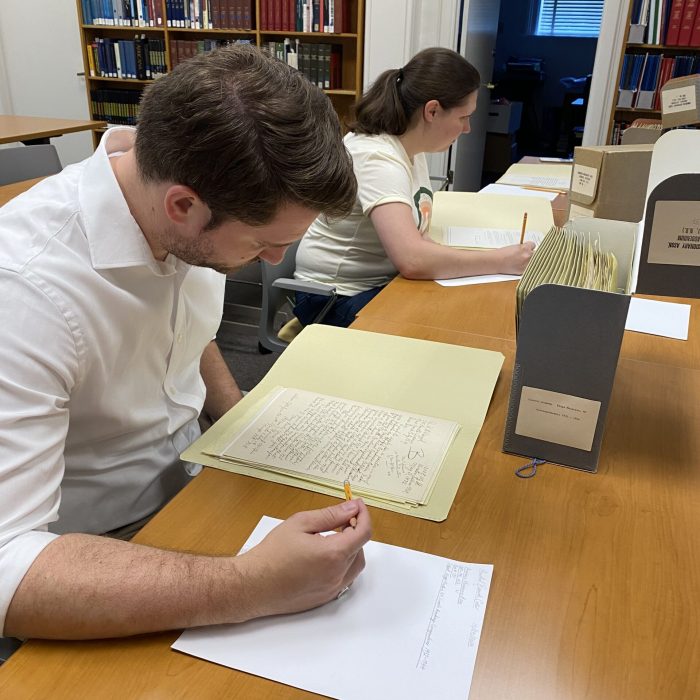
Hands-on opportunities in Collections, Curatorial, Education, and Front of House for community members who want to give their time to the museum’s programs and visitor experience.
Semester and year-round internships in Museum Education, Collections, and Curation for students and early-career professionals gaining hands-on museum experience.
A community-led group of trustees who guide the museum’s mission and direction as part of its 501(c)(3) governance.
Current museum job openings are posted through Gaston County’s official employment listings.
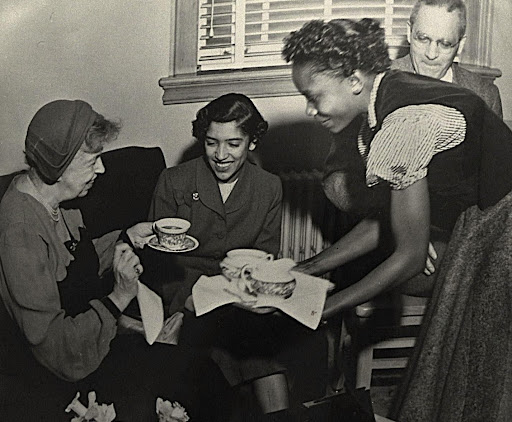
This photo of Elenor Roosevelt is undated but is evidence that she visited Lincoln Academy in the 1940s, most likely during her tour of African American schools. Roosevelt was an advocate for civil rights and early integration, even working closely with African American leaders such as Mary McLeod Bethune. One of the ways she learned more about African American schools was visiting them. Roosevelt toured schools in North Carolina in 1940, but we are unsure when this photo was taken.
Throughout the research and writing of “The Many Unheard Voices” and through countless conversations with community members, it became obvious that I would not be able to include every detail in the exhibit. It is, of course, the nature of an exhibit to not include everything due to audience attention span. That said, I recognize that much of the information that has been gathered by myself and community members deserves a place for shared information indefinitely.
(continued below…)
This digital resource serves as a way to share what couldn’t make it into the exhibit as well as information that comes to light once the exhibit has opened to the public.
I encourage you to reach out to me with your own stories, resources, photos, and more. Help me preserve the history of the African American Communities of Gaston County for the next generation and beyond.
Contact me:
If you’re curious where my research began in 2021, this is the best publicly accessible document I found: https://www.hpo.nc.gov/media/562
There are other locally published books on individual cities such as “Footprints on the Rough Side of the Mountain” by Oscar DePriest Hand, Sr. and Julia Neal Sykes.
The school’s name was decided by community vote. The two options were Richard Allen, the founder and first Bishop of Bethel African Methodist Zion Church in Philadelphia, and John Chavis, a prominent educator and minister from North Carolina. Students sold votes for five cents and John Chavis won.
Learn more about Lora and Diane Walker by clicking the button below.
Lora Walker (Bryan) and Diane Walker (Matthewson) and Robert Pryor & Barbara Pryor were the first students to integrate white high schools in 1963. Twenty more students integrated Ashley High in 1964. More students subsequently integrated more schools across Gaston County from 1964-1965.
These are a few of the names we are aware of:
Integrated Dallas High School in 1965
Josie Brooks (Wilson)
Alfred Cloud
Patricia Derr (Surrett)
Integrated Belmont High School in 1965
Doris Stowe
Melissa Hand
Gloria Reeves
HIGHLAND HIGH
JOHN CHAVIS HIGH
Dr. G. S. Leeper and Mrs. Josephine Leeper: pre-brick and mortar in Leeper’s Chapel
Dr. C. H. Shute: 1900-1907
Dr. J. A. Rollins: 1908-1929
Mr. T. C. Tillman: 1930-1940
Mr. Thebaud Jeffers: 1941-1966
Dr. Green: 1938-later 1950s
Mr. Herman Twitty: late 1950s-1961
Mr. Joseph A. Arnold: 1961-1966
Gaston County Public Libraries are integrated and later began hiring African American police officers
Nathaniel Barber elected to Gastonia City Council as the first African American councilmember. Later became the first African American city treasurer in the nation.
Human Relations Commission formed in Gastonia; five members Senator Marshall Rouch was the chairman. Role of the commission was to “do integration in a humane and unexacting way.” -Sen. Marshall Rouch, 2017.
Integrated restaurants in downtown Gastonia. Holiday In restaurant was first and commission members were the first to integrate as a group.
Integrated schools (see education for more details)
Civil Rights Act
Health Department
Fire Station
Boarding House
Mill building
Third Street Presbyterian Church
Church Parsonage
Mr. & Mrs. Charles Costner, Sr.’s home
Alleyway of Homes
Mr. & Mrs. Henry Phillp’s Home
Dr. Harold Williston’s Medical Office
Apartment Building behind Medical offices
Square Pharmacy Drugstore
Dr. Clevand Floyd’s Dentistry
Excelsior Credit Union
Lawyers Earl Ramseur/ Ralph Gingles, Jr.’s Offices Upstairs
Dr. George Watts’ Medical Office
Flo’s Diner/ Love-Workman’s Cafe
Dairy Bar/ Apartments Upstairs
Taxi Yard (Lightner Cab, Glenn Cab, Russell Cab, Dial Cab, Burris Cab)
Woods Shoe Shine/ Shoe Repair Shop
Chambers Laundry Mat
Brown’s Barber Shop/ Barber/Hudson/ Degree Beauty Shop
Massey’s Filling Station
Ted’s North Hi Shell
Long’s Service Station
Tan Yard Tenements
Three Dueces Club
Pool Room
Grocery Store
American Legion
Boy’s Club/ Long Street
Tracy Long Auto Repair
Ray Smith’s Mercantile
John Groves Home
Flora Means Home
City of Gastonia Waterworks Department
Costner Funeral Home (North York Street- early years, North Marietta Street- later years, before moving to West Franklin Boulevard- present location)
Credit Union first facility
Palace Theater
Boarding House in an alley way
Groves Cafe
Elder’s Boarding House
The Elder’s Homeplace
The Byrd’s Homeplace
Glenn and Adams Barber Shop
Geneva Davis Beauty Shop/ Ronald Davis Beauty Shop/ Margaret Cranke’s Record shop
Geter’s Produce and Grocery
Epworth United Methodist Church
Mr. & Mrs. Till’s home and store
Club Artlessa
Elk’s Lodge
Kennedy/ Turner Home
Ed Odom’s Shoeshine Parlor/ Boarding House/ Repair Business
Sanders/Martin’s Funeral Home
Highland High School, later Highland Elementary School


Vivamus sagittis lacus vel augue laoreet rutrum faucibus dolor auctor. Praesent commodo cursus magna, vel scelerisque nisl consectetur et
Vivamus sagittis lacus vel augue laoreet rutrum faucibus dolor auctor. Praesent commodo cursus magna, vel scelerisque nisl consectetur et
Vivamus sagittis lacus vel augue laoreet rutrum faucibus dolor auctor. Praesent commodo cursus magna, vel scelerisque nisl consectetur et
Vivamus sagittis lacus vel augue laoreet rutrum faucibus dolor auctor. Praesent commodo cursus magna, vel scelerisque nisl consectetur et
Vivamus sagittis lacus vel augue laoreet rutrum faucibus dolor auctor. Praesent commodo cursus magna, vel scelerisque nisl consectetur et
Vivamus sagittis lacus vel augue laoreet rutrum faucibus dolor auctor. Praesent commodo cursus magna, vel scelerisque nisl consectetur et



Maecenas faucibus mollis interdum. Donec sed odio dui. Morbi leo risus, porta ac consectetur ac, vestibulum at eros. Integer posuere erat a ante venenatis dapibus posuere velit aliquet.Lorem ipsum dolor sit amet, consectetur adipiscing elit. Ut elit tellus, luctus nec ullamcorper mattis, pulvinar dapibus leo.
Dont like Filling up forms ? Mail us then [email protected]