To inspire curiosity and connection by weaving together the art and history of Gaston County.
To be a place where people can come together and find unity in their common threads.
The Gaston County Museum of Art & History is a place where art, history, and community meet. Located on the Historic Dallas Courthouse Square in Dallas, North Carolina, the museum collects, preserves, and shares the stories of Gaston County and the surrounding region through permanent and rotating exhibits, interactive programs, and a growing archive of more than 25,000 artifacts, photographs, and documents.
Our permanent collections trace the threads of Gaston County’s textile heritage, celebrate the legacy of Gastonia-born artist John T. Biggers through one of the most significant collections of his work in the country, and preserve the everyday objects and voices that make this community what it is. Our rotating galleries bring new perspectives throughout the year, and our education programs connect learners of every age to the history beneath their feet.
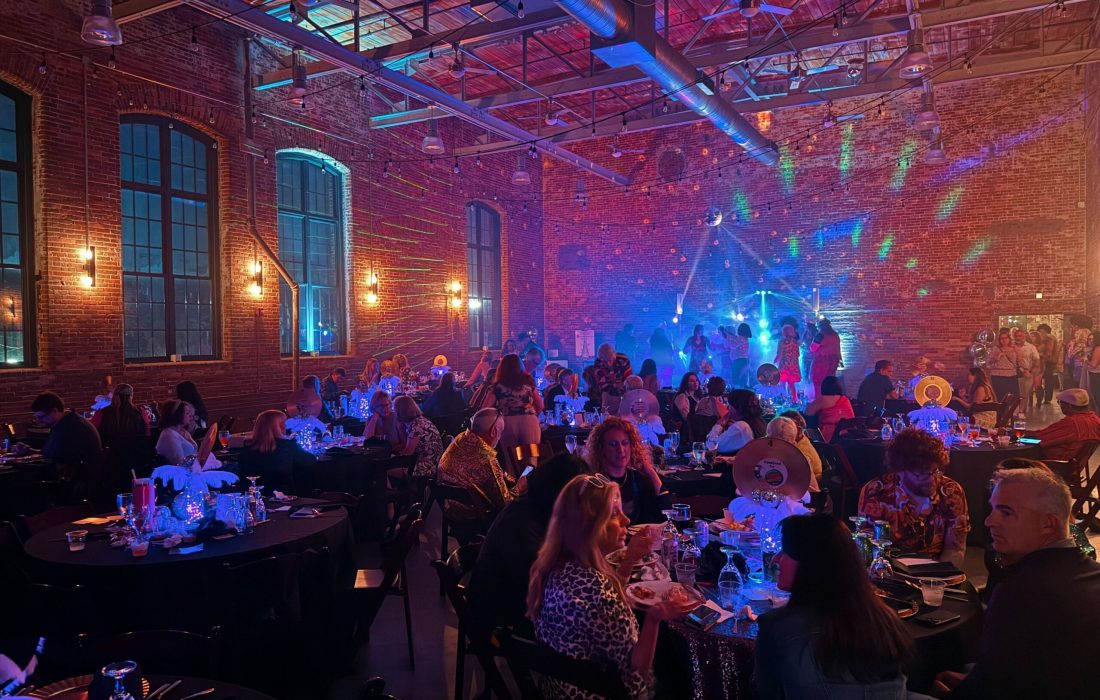
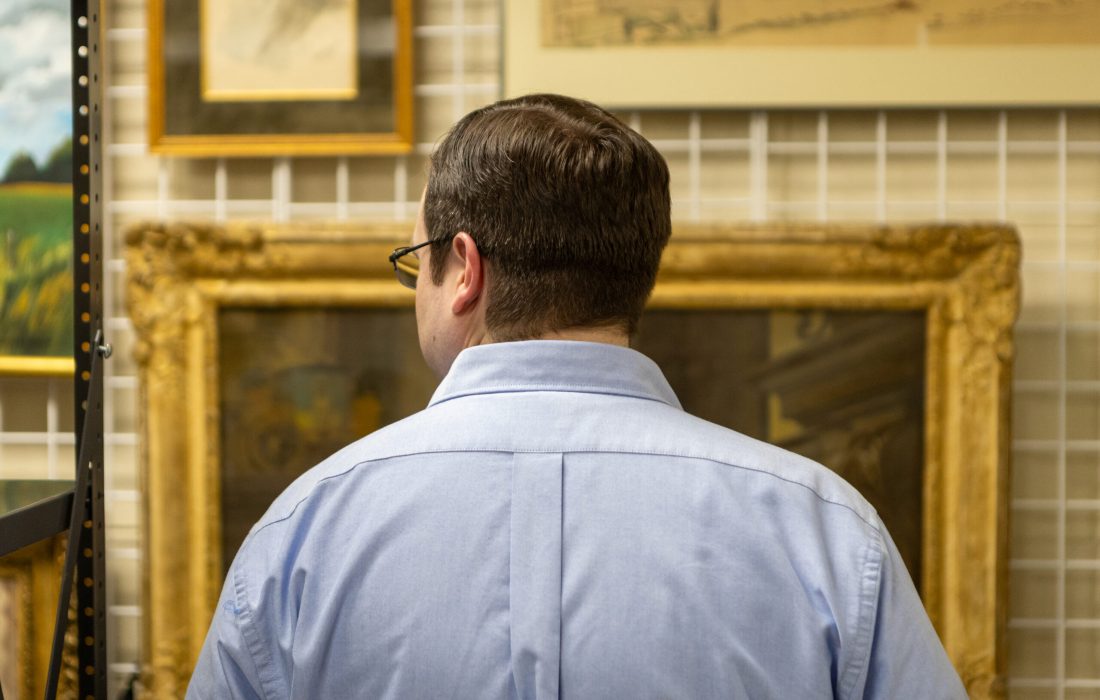
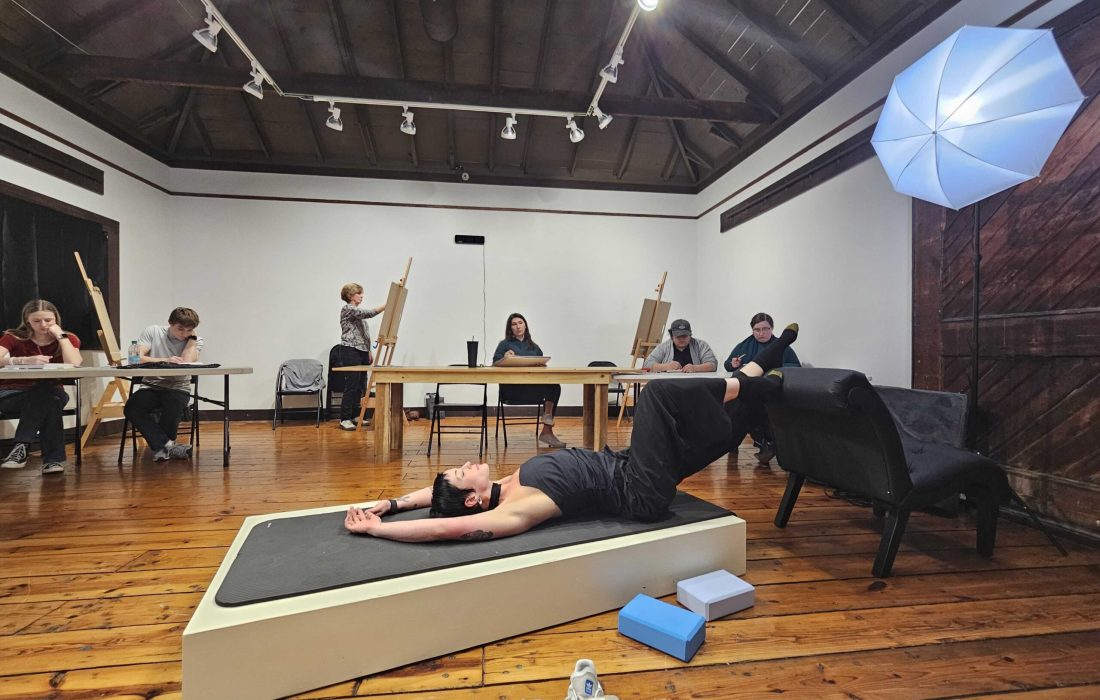
The Gaston County Museum has been a gathering place for this community for decades. What began as a local effort to preserve the county’s history has grown into a fully accredited institution recognized at the national level for its commitment to excellence. Along the way, the museum has expanded its collections, deepened its programming, and opened its doors wider to audiences across the region.
The museum sits within a historic building on the Dallas Courthouse Square, with additional gallery space inside the restored 1903 Depot building and a satellite location at the Kessel History Center inside the Historic Loray Mill in Gastonia. Each space carries its own character, but together they tell a larger story about what it means to preserve and share a community’s identity.
From hosting the annual Through An Artist’s Eyes juried student art show in partnership with Gaston County Schools, to welcoming traveling exhibits like the America 250 NC initiative, the museum has always seen itself as more than a place to look at objects behind glass. It is a place to gather, to learn, and to understand where we come from so we can better see where we are going.
The people behind the Gaston County Museum bring a deep commitment to preserving and sharing the art and history of this region.
From curatorial research and exhibit design to education programming and community outreach, our staff works every day to make sure this museum remains a place of learning, connection, and pride for all of Gaston County.
The Gaston County Museum’s impact stretches far beyond its walls. Here is a look at what this museum means to the community it serves.
The Gaston County Museum is proud to work alongside a network of organizations that share our commitment to education, preservation, and community. These partnerships strengthen the museum’s programs, expand our reach, and connect us to the broader cultural landscape of North Carolina.
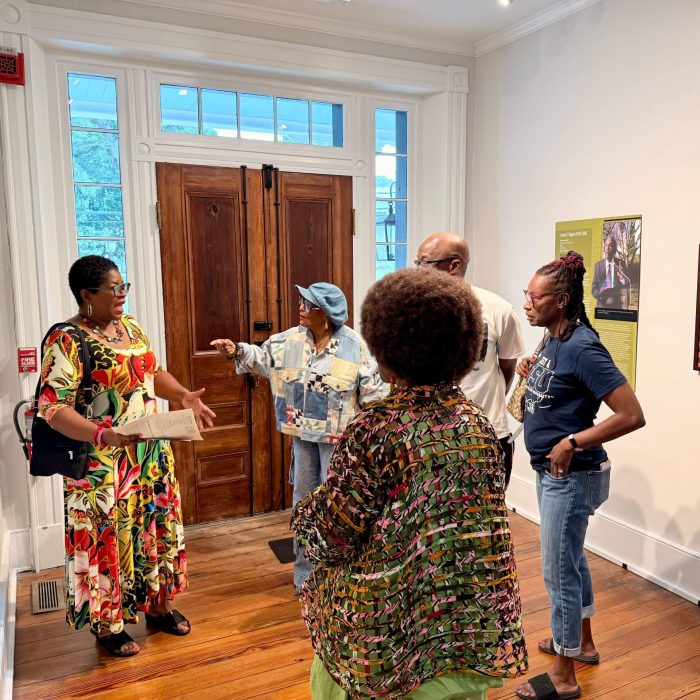
The museum operates as a department of Gaston County Government and works closely with Gaston County Schools, the Gaston County Public Library, and the Town of Dallas. Our programming for public school students is free, and our collaboration with the library system extends access to the county’s history through shared resources and joint initiatives.
We are proud to stand alongside a network of museums and heritage groups across the region, including the Kessel History Center at Loray Mill, Kings Mountain Historical Museum, Kings Mountain National Military Park, Schiele Museum of Natural History, Belmont Historical Society, Cherryville Historical Museum, Cramerton Historical Society Museum, Mount Holly Historical Society & Museum, and the African American Museum of History & Culture at Loray Mill. We also partner with heritage organizations like the Gaston-Lincoln Genealogical Society and multiple chapters of the Daughters of the American Revolution.
The Gaston County Museum is accredited by the American Alliance of Museums (AAM), a distinction held by roughly 3% of the nation’s museums. This recognition reflects the museum’s commitment to meeting the highest national standards for collections stewardship, public service, education, and governance. The museum is also a contributing institution to DigitalNC, a project of the North Carolina Digital Heritage Center, where more than 1,100 items from our collections are accessible online.
From the annual Through An Artist’s Eyes student art show to our participation in the statewide America 250 NC commemoration, the museum regularly collaborates with schools, civic groups, and cultural organizations to bring meaningful programming to the community. We are a member of the Gaston Business Association and a recognized nonprofit partner within Gaston County.
The Gaston County Museum is committed to providing a welcoming, accessible experience for every visitor. We believe that art and history belong to everyone, and we work to make sure our spaces, programs, and resources reflect that belief.
Accessible parking spaces are available directly in front of the museum. The main entrance is wheelchair accessible and located at the front of the building. The museum is wheelchair and stroller accessible throughout, with an elevator available in the modern staircase. Accessible, all-gender bathrooms with baby changers are located on the first floor.
Visitors with sensory sensitivities should be aware that the second floor exhibit “1929 Strike: A Community Divided” includes loud noises, competing sounds, bright visual imagery, and narrow hallways.
The museum is working to expand multilingual access to its resources, with priority support for Spanish and Haitian Creole speakers. We are committed to serving the full diversity of Gaston County’s growing community and ensuring that language is not a barrier to learning about our shared history.
The Gaston County Museum strives to inspire diverse audiences to consider their shared histories through the art and history of Gaston County and its surrounding region. We are always working to improve our accessibility and welcome feedback from visitors on how we can do better.